

Article Summary
Rigid tiedowns are essential tools for securing cargo during transport, offering stability, reliability, and safety. This article explores how rigid tiedowns work, their advantages over traditional methods, proper selection and installation techniques, maintenance tips, and answers to common questions to help you make informed decisions for your cargo securing needs.
Table of Contents
What is a Rigid Tiedown?
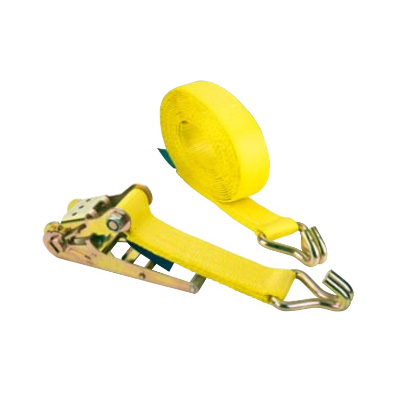
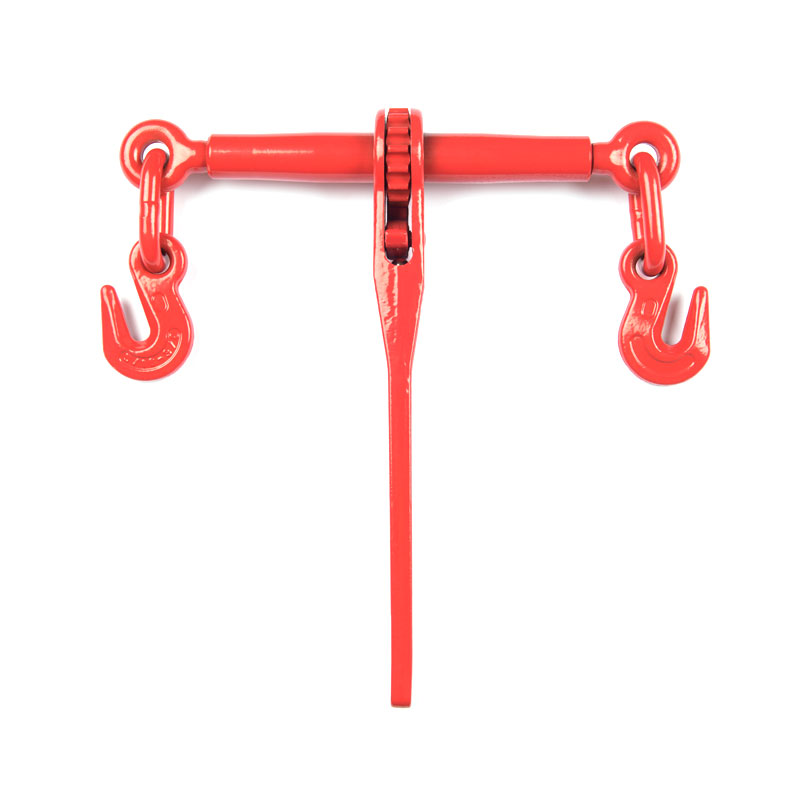
A rigid tiedown is a cargo securing device designed to prevent movement and provide maximum stability during transportation. Unlike flexible straps or ropes, rigid tiedowns are made from durable materials such as steel or reinforced composites, offering fixed-length tension and reducing the risk of slippage. These devices are commonly used in shipping, logistics, and heavy-duty transport where cargo safety is paramount.
Benefits of Using Rigid Tiedowns
Rigid tiedowns provide multiple advantages compared to traditional cargo securing methods:
- Enhanced Safety: Firmly secures heavy and irregularly shaped cargo.
- Reduced Cargo Damage: Prevents shifting that may cause dents, scratches, or breakage.
- Time Efficiency: Quick and reliable setup compared to rope or chain methods.
- Durability: Resistant to wear, UV exposure, and harsh environmental conditions.
- Compliance: Meets international cargo transport regulations for secure load fastening.
Types of Rigid Tiedowns
Rigid tiedowns vary in design and material to suit different cargo requirements. Common types include:
| Type | Material | Best Use |
|---|---|---|
| Steel Ratchet Tie | Galvanized Steel | Heavy machinery, construction equipment |
| Aluminum Rigid Bar | Aluminum Alloy | Lightweight cargo, sensitive equipment |
| Composite Lock Strap | Reinforced Polymer | Automotive parts, fragile goods |
| Fixed-Length Chain Tie | Steel Chain | Industrial shipping, oversized cargo |
Tips for Choosing the Right Rigid Tiedown
Selecting the correct rigid tiedown is crucial for cargo safety. Consider these factors:
- Weight Capacity: Ensure the tiedown can handle the maximum load.
- Material Strength: Steel offers durability, while aluminum provides lighter handling.
- Environmental Resistance: Choose materials resistant to corrosion or extreme weather.
- Ease of Installation: Select models that are easy to attach and adjust for efficiency.
- Regulatory Compliance: Confirm that the tiedown meets transportation safety standards.
Installation and Usage Guide
Proper installation ensures optimal performance of rigid tiedowns. Follow these steps:
- Inspect the tiedown for any damage or wear.
- Position the tiedown over the cargo ensuring even coverage.
- Secure the attachment points to strong anchor locations on the vehicle or trailer.
- Tighten the tiedown using the locking mechanism or ratchet until firmly secured.
- Check all connections for stability and make final adjustments if necessary.
Pro Tip: Always distribute tension evenly across multiple tiedowns for large loads to minimize stress on individual points.
Maintenance and Safety Checks
Maintaining rigid tiedowns extends their lifespan and ensures consistent safety:
- Regularly inspect for corrosion, cracks, or frayed components.
- Clean tiedowns after exposure to saltwater or chemicals.
- Lubricate moving parts such as ratchets or hinges to prevent sticking.
- Store in a dry, shaded area when not in use to avoid material degradation.
- Replace any worn or damaged components immediately to maintain integrity.
Frequently Asked Questions
Q1: Can rigid tiedowns be used for all cargo types?
A1: While versatile, rigid tiedowns are best for heavy or irregularly shaped cargo. Fragile items may require additional padding or specialized tiedown systems.
Q2: How do I determine the right size of a rigid tiedown?
A2: Consider the cargo weight, dimensions, and the number of tiedowns needed. Always refer to the manufacturer’s load capacity guidelines.
Q3: Are rigid tiedowns reusable?
A3: Yes, most rigid tiedowns are designed for repeated use if properly maintained and inspected before each application.
Q4: How do I prevent rust on steel rigid tiedowns?
A4: Use galvanized or coated steel tiedowns, and regularly clean and store them in a dry environment to prevent corrosion.
Contact and Purchase Information
Ningbo By Really International Trading Co., Ltd. provides high-quality rigid tiedowns suitable for a wide range of cargo securing needs. Explore our full product range at Rigid Tiedown Products and enhance your cargo safety today. For personalized support, pricing inquiries, or bulk orders, contact us directly – our team is ready to help you secure your cargo efficiently and reliably.